I’m the CEO, why should I care about Cyber…

Introduction

First and foremost, I’m going to start by saying if I include any cliché quotes it’s probably in an ironic context or used to show how they aren’t practically useful. Why are we here? Well, based on the title, it’s because you are either a CEO/MD or you are in a leadership position and want to learn a little more about cyber security.

I’m sure you have read the news, I’m sure you have seen vendor adverts explaining something like:

  • Zero Trust
  • The Security Skills Gap
  • How phishing can be solved through security awareness training (pro tip: it can’t)

And I’m sure someone on your LinkedIn feed you have seen people exclaim all kinds of crazy things like:

  • TLS Weaknesses Lead to Ransomware
  • Security is Simple (it, I’m afraid, is not)
  • Managed Security Service Providers ensure security

Read more “I’m the CEO, why should I care about Cyber Security?”

Phishing your own people – path to eroding trust…

Introduction

“Security education and awareness darling, it’s all the rage! It’s simply to hot right now.” Ok stop, let’s take a minute to get some context. It’s the year 2021, organisations are taking a battering round the globe from cyber criminals who are deploying ransomware, extortion, and fraud via a range of methods but one you can’t not have heard of is phishing.

In this post today, I’m going to look at realities of initial access, phishing and some questions I think people should be asking themselves about the idea of phishing their own userbase. I try and look at this from multiple perspectives because I think it’s a complex subject. Let’s start with initial access methods!

Common Patterns of Access

If we look at the world of technology and cyber security, you will see logs of references to frameworks and language that is enough to send even the committed to sleep! However, let’s abstract from our TTPs, our MITRE ATT&CK frameworks and our “threat actors” and let’s talk in normal English. Read more “Phishing your own people – path to eroding trust or a useful tool?”

logging

Fast Monitoring Deployment with Datadog

Imagine the scenario where you have an endpoint or server running and you don’t have centralised logging or visualisation of log data and you need to perform some rapid analysis without wanting to stand up a new set of VMs or services, well this is where cloud really can come into it’s own.

Very rapidly we can setup a Datadog account. (this blog will be updated as I deploy and configure) Read more “Fast Monitoring Deployment with Datadog”

HID Attacks using OMG Cables

Human Interface Devices is the science way of saying (in this case) keyboard! Now that doesn’t sound amazing but then we look at the details. What we are talking about here is a wireless remote controlled programable keyboard emulator disguised as a USB cable or a cable between a real USB keyboard (must be detachable). This provides attack opportunities to both key log and hijack inputs to PC devices covertly and remotely (within WIFI range). Just imagine what you could do with one of these.

Read more “HID Attacks using OMG Cables”

Password Auditing with L0phtcrack 7 – A quick intro

If you know me that one of the first things, I recommend organisations do is conduct password audits against active directory on a regular basis. There are a ton of ways to do this and depending upon size of directory and budget you will likely want to do this with more than a CPU however the process remains the same. So, with the news that a new release of L0phtcrack (open source) is online let’s take a look at how we can deploy and start cracking those hashes! This isn’t an end to end guide to cracking with l0phtcrack – but it does show the install process and provide considerations for your cracking adventures. Remember, only do this where you have authorisation. Read more “Password Auditing with L0phtcrack 7 – A quick intro”

Creating a honeypot for CVE-2021-41773 (Path Traversal and RCE)

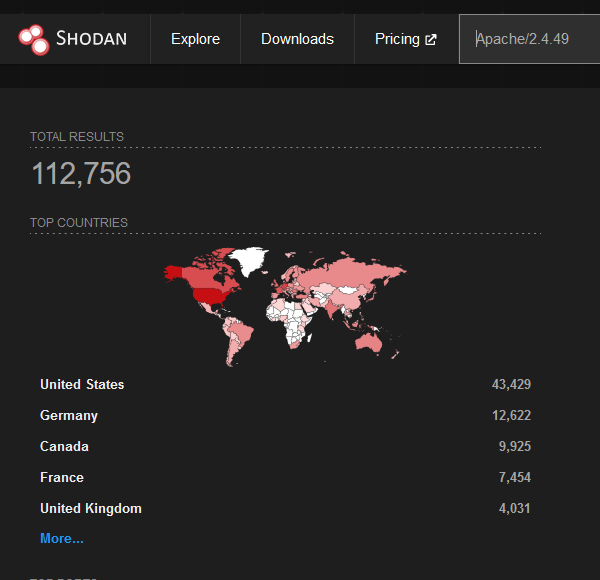
A path traversal vulnerability and exploit just dropped in the wild for a specific version of Apache (Apache/2.4.49). This vulnerability allows an unauthenticated attacker to execute a path traversal attack (and now shown RCE if MOD_CGI is enabled) to read files outside of the virtual directory path bounds. This only affects a single version of Apache, there’s a fair few of these online, however it’s very unlikely all are vulnerable. The vulnerability requires specific permissions to be configured.

A screenshot of a video game

Description automatically generated with medium confidence

Read more “Creating a honeypot for CVE-2021-41773 (Path Traversal and RCE)”

Can Cyber Deception be used as a force for…

Scams, Disinformation & Supply Chain Compromise

Now this might come to a shock to some of you but I’m not actually (as my LinkedIn profile currently says) Tony Stark! I know, shocking but it’s true. Why I’m experimenting with this will hopefully be apparent after reading this post (although this isn’t an explanation specifically). What I’m looking at is how deception is used from a range of perspectives from marketing, cybercrime and how we can use deception in a positive way, to actively defend ourselves from the cyber criminals! Read more “Can Cyber Deception be used as a force for good?”

Cloud Security – 26 Foundational Security Practises and Capabilities…

That is quite the catchy title don’t you agree? Ok so that needs some work and when we think about cloud security, we need to realise that Computing as a Service isn’t a silver bullet.

One Cloud to Rule them all and in the darkness bind them

Ok so the cloud was promised as the saviour of IT and Cyber security but the promise vs the reality. Well, let’s be frank, they don’t really match up. But have no fear – secure cloud design is here (omg cringe)! Ok now we have that out of my system let’s look at some basic cloud security considerations to make when thinking about cloud services.

Checklist

Ok so the world doesn’t work with a checklist however, if you are like me you will want to use lists and aides to jog the little grey cells into action. Let’s think about cloud services and security: Read more “Cloud Security – 26 Foundational Security Practises and Capabilities Checklist”