Defense

CAF Workbook

Undertsanding the current state of cyber capability maturity across an organisation is no simple feat. The team at NCSC have created a really good set of guidance with CAF. With all things there’s different ways on consuming, understanding and leveraging good practises.

I often find have XLS workbooks incredibly valuable when looking at indicators of good practise inside organisations. With this in mind, I started to put the GAF indicators into a workbook. This isn’t complete yet. It needs refactoring so it can be pivoted etc. It also needs some parts added for metadata capture and analysis.

I’m publishing this because sitting collecting virtual dust is probably the least valuable thing that can occur.

Hopefully this is helpful to people, even in it’s current half baked state. I’ll and complete this at some point!

Read more “CAF Workbook”
A screenshot of a computer Description automatically generated with medium confidence Threat Intel

CVE-2021-38647 – Open Management Infrastructure (OMI) RCE – Linux…

Situation

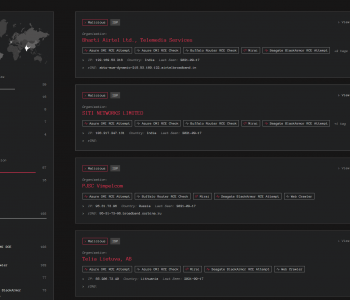
Ok so the situation is as per usual a bit fluid, when this first dropped I was looking at this with a “azure” lense, however as time goes on it appears this likely also covers any Linux distro with the Azure/SCOM/OMS agents installed. This may change the profile of risk considerable, not only from a public facing attack surafce but highly likely from a lateral movement persspective. I’m going to keep updating this as more intel comes in. (sorry I’d be clearer if I had a clearer picture myself)

This week 4 vulnerabilities were disclosed which affect Azure virtual machines running the Open Management Infrastructure (OMI) agent (think PowerShell remoting). As above the scope seems to be slightly wider with regard to SCOM/AZURE and OMS/Sentinel etc. agents for Linux (I want to confirm all of this but for now it seems this is the position)

Essentially these vulnerabilities allow for both network-based remove code execution (RCE) and local privilege escalation (LPE).

  • There is evidence of exploitation in honeypots.
  • There is a public proof of concept available for the RCE.
  • The internet facing attack surface from a global perspective seems low based on the data in Shodan and Censys however I’m not convinced this is currently giving a clear picture.
    • So, check your azure networks, Vms and firewalls would be a sensible idea

Read more “CVE-2021-38647 – Open Management Infrastructure (OMI) RCE – Linux hosts”

A screenshot of a computer Description automatically generated with medium confidence CTF

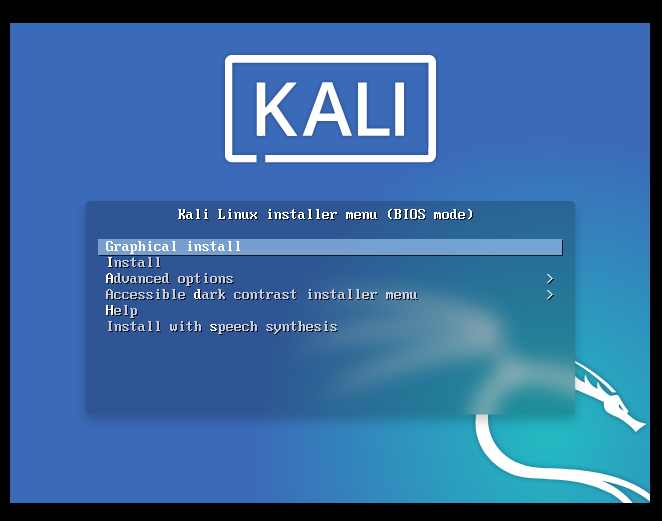
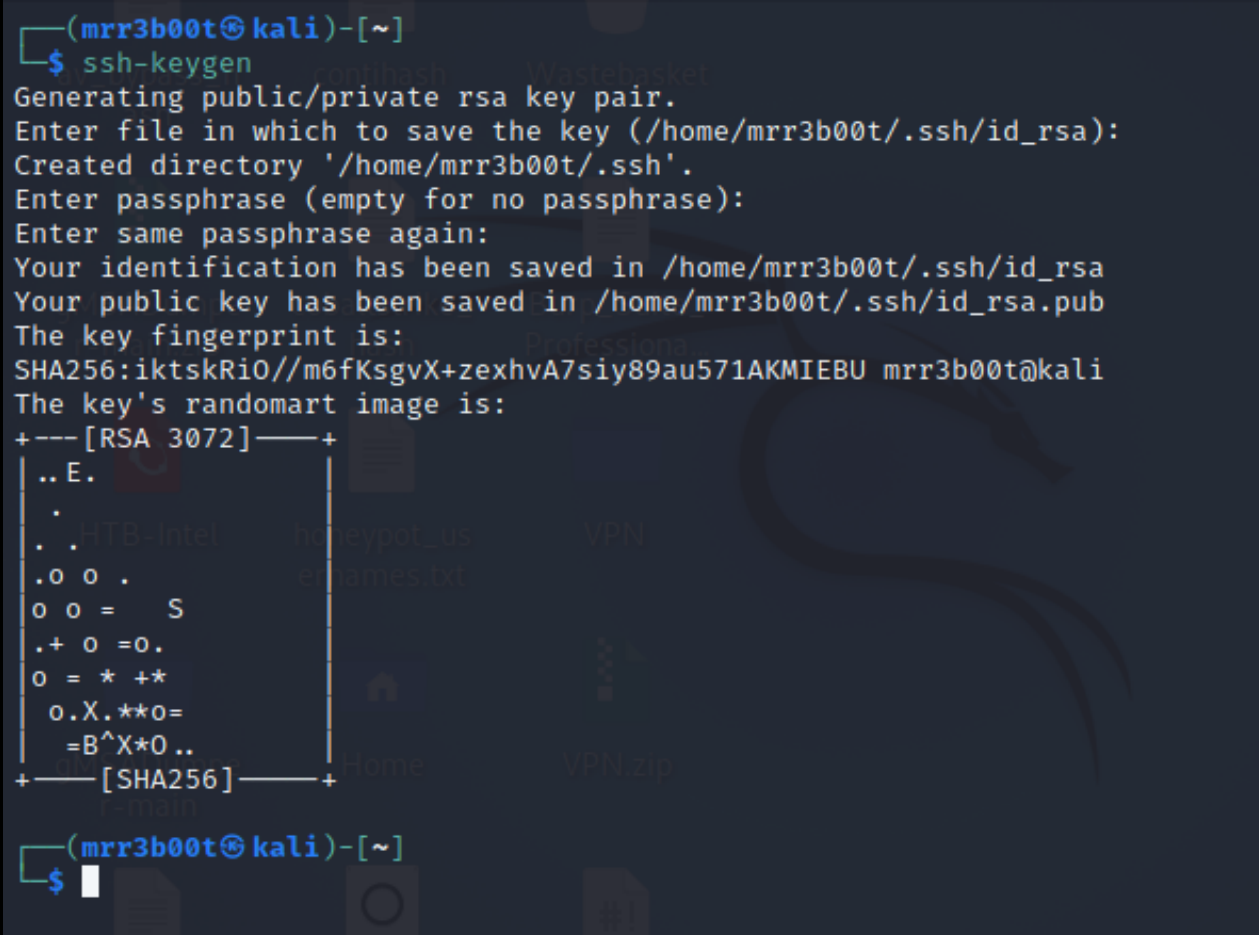
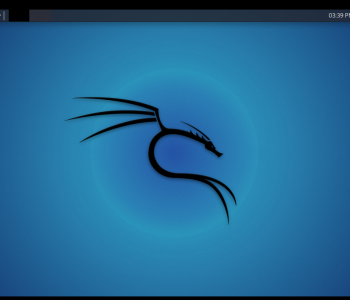
Installing Kali 2021.3

Hax fun with the Dragon distro

Ok today we are going to look at deploying Kali 2013.3. The install process for this is fairly standard and familiar from previous version but for those new to this world, it seems like a good place to start.

Install Procedure (Virtual Machine)

Boot from the ISO

Graphical user interface, application

Description automatically generated Read more “Installing Kali 2021.3”

Guides

What if not everyone is a cyber expert?

Developing a Cyber Roadmap

Ok so this topic comes up a fair bit, but organisations and their management are often looking to ensure they are doing the right thing (no really this is a common phrase I hear with organisations) with regard to cyber security. THe challenge I think quite a few people have is even understanding what that even means. Sure you have a firewall, and antivirus and you had a yearly peneration test of a site that isn’t even touching your corproate network. You thought you were fine, but you keep seeing organisations get ransomared in the news and the board keep asking “are we ok?” so this then leads to a common position of maybe buying more widgets or thinking, well we haven’t been “hacked” so we must be doing ok.

Read more “What if not everyone is a cyber expert?”
Defense

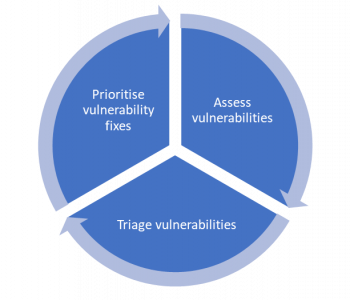
Vulnerability Management – Actually doing it!

Vulnerability Management, Assessments and Vulnerability scanning is sometimes treated a with distain in the Offensive security community, I personally don’t understand that. Vulnerability management is key to inputting into security strategy, architecture, and operations. It’s coupled heavily to many other processes such as:

  • Asset Management
  • Risk Management
  • Patch Management
  • Change & Release Management
  • Security Testing
  • Security Monitoring

Before we start deploying let’s think about some areas for consideration when performing vulnerability scans:

  • Scope
    • Asset/Hosts
      • IP Ranges
      • Hostnames
    • Connectivity
      • VPNs
      • LAN/WAN
    • Device Types and Configuration
      • Domain
      • Workgroup
      • Appliance
      • ICS
      • Printers
      • Network Equipment
    • Unauthenticated View
    • Authenticated View
      • Auth Types
      • Protocols
    • Scheduling
    • Authority to execute
  • Impact
    • Performance
    • Availability
    • Confidentiality
  • Objectives and Outcomes
  • Reporting
    • Information Flow
    • Report Storage and Confidentiality

Read more “Vulnerability Management – Actually doing it!”

CTF

How to Identify Hashes

Some hashes are obvious but even then, it’s a good job to check. There are a few ways to check a hash outside of manual validation.

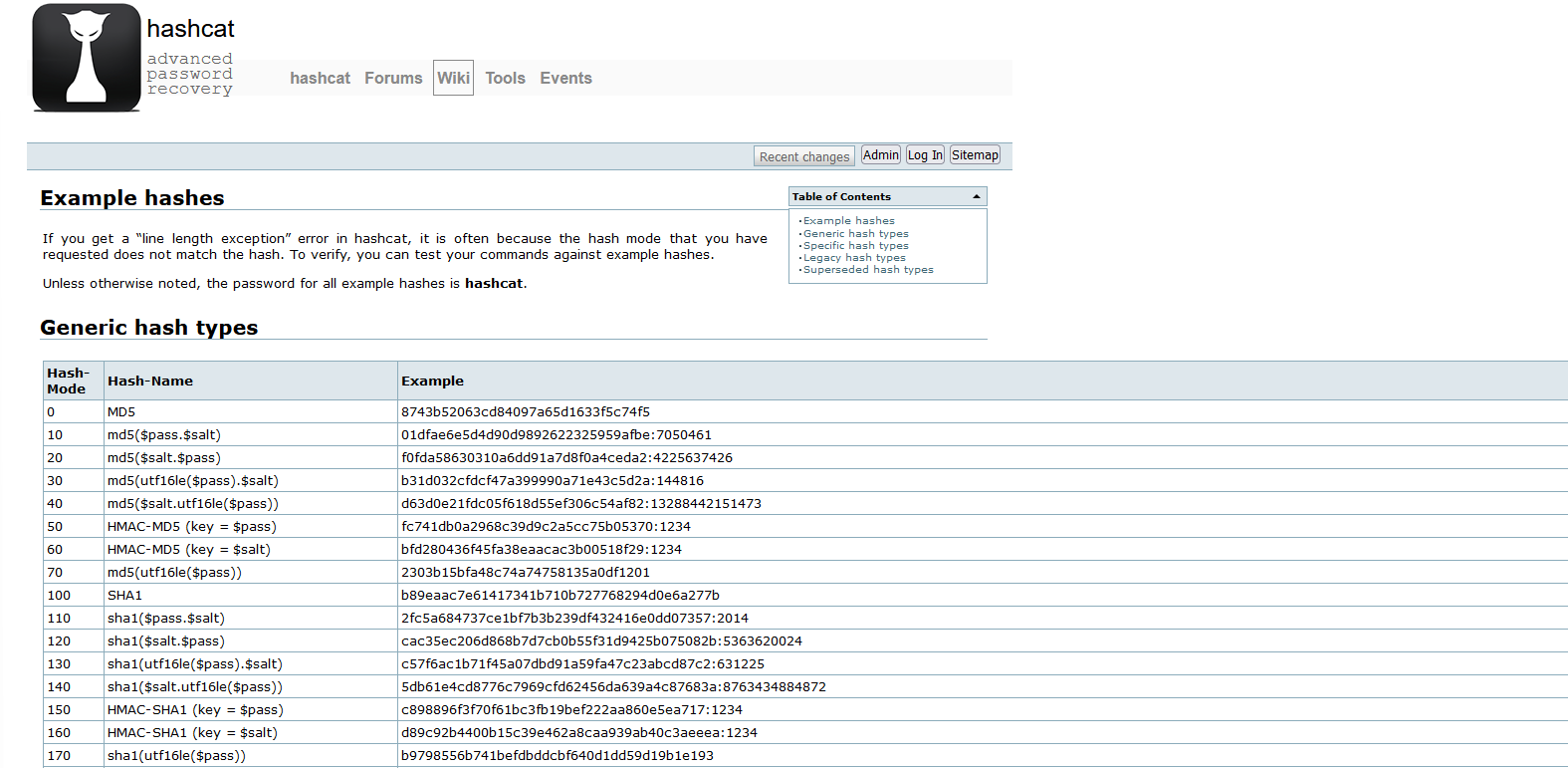
Using the Hashcat example list:

https://hashcat.net/wiki/doku.php?id=example_hashes

Graphical user interface, text, application, email

Description automatically generated

Using hash-identifier:

https://github.com/blackploit/hash-identifier

Using cyberchef Analyse hash:

https://gchq.github.io/CyberChef/#recipe=Analyse_hash()

Background pattern

Description automatically generated with low confidence

Using hash-id:

https://github.com/psypanda/hashID

Using HashTag:

https://github.com/SmeegeSec/HashTag

As you can see there are range of tools available to you, and remember if you want to keep the hashes to yourself you can download Cyberchef and run it locally!

Image Defense

Infection Monkey Overview

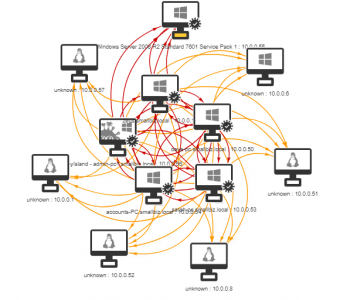
Have you ever wanted to see what would occur in an environment if a worm was a make its way in? I often work with customers to show them about lateral movement from a human operated perspective however sometimes it’s useful for people to visualise this better and to demonstrate what could occur if a worm was set loose. A great tool to help with this is Infection Monkey from Guardicore (https://www.guardicore.com/

High Level View

The process steps are as follows:

  • Scope Exercise
  • Prepare Environment
  • Deploy Infection Monkey Server (Monkey Island)
    • Configure Server Credentials
  • Monkey Configuration
  • Release Monkey/s
  • Review
  • Report

Read more “Infection Monkey Overview”

Defense

Windows 11 Privilege Escalation via UAC Bypass (GUI based)

Introduction

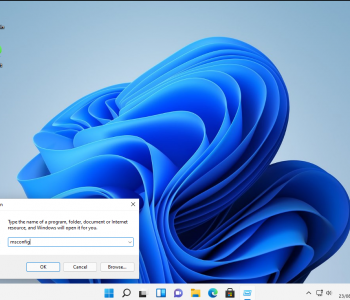
Ok these are a really simple UAC bypass from a userland GUI perspective. This is about increasing process integrity levels – it’s not about performing LPE from low integrity to high/SYSTEM with no interaction. These clearly work in older version of Windows as well but since Windows 11 will be the current version in the near future I thought it was fun to re-visit these!

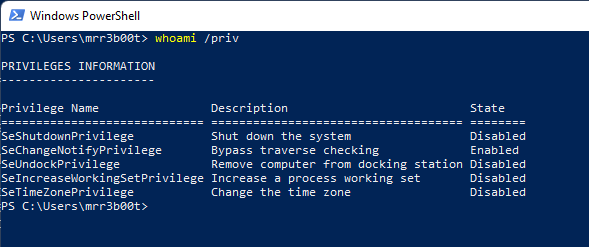
And just to be clear, a medium integrity process as an administrator user will have the following privileges:

Text

Description automatically generated

What we are talking about here is to move to a high integrity process without knowing credentials or having the secure desktop launch. Read more “Windows 11 Privilege Escalation via UAC Bypass (GUI based)”