Defense

Cyber Security Tips – Keeping your digital self, safe!

Not even most of my digital life is in the enterprise security space, whilst this is great if you have access to technology budgets, security specialists and modern business class solutions, this doesn’t really fit into the general populations landscape of technology. I thought I’d take a high-level exploration of what digital security looks for people who aren’t security nerds! This is a bit of an experiment for me as it’s a journey into a world where although some things apply to me (obviously I’m human), some of this from a thinking/blogging point of view aren’t my comfort space. So, let’s see what a world outside of being a nerd look like!

Commons Risks

I’m thinking the risk landscape is still broad however when we think about risks, I reckon a general view model may look at some of the following scenarios:

  • Fraud/Scams
  • Sextortion
  • Phishing
  • Social Media Account Takeover
  • Device Theft
  • Device Loss
  • Equipment Failure/Data Loss
  • Threat from known individuals with physical access
  • Human Error

Read more “Cyber Security Tips – Keeping your digital self, safe!”

Leadership

Cyber Security Architecture

I remember (now it was a long time ago) when I worked in a support role and my dream job was being a technical architect, back in the warm and fuzzy days of no host-based firewalls, IPsec being something only MCPs knew about other than the networking team and when cybercrime was a shadow of how it is today.

It wasn’t until I had a few more notches under my belt when I realised that architecture in technology has different viewpoints, not only that but even the industry can’t agree on what things are or are not. That aside the reality is, is that architecture has different domains, specialisms, views, and viewpoints. I often find myself working across a whole range of areas, that is driven largely by specific customer requirements and scenarios (this is why I have a cool lab and lots of kit!)

When we consider a business technology system it has risk and by nature cyber security in that view. To think of this not being the case would be odd because ultimately “business” is the highest abstraction, and let’s think about what makes up a business: Read more “Cyber Security Architecture”

Defense

Exposed VMWARE vCenter Servers around the world (CVE-2021-22005)

There’s a new CVE in town but don’t think it’s the only problem you get when you expose administrative interfaces to the wild west of the internet (yeeha or something). Let’s go on a quick exploration of what the world looks like with the help of our friends at Shodan and then let’s see the ramblings of Dan when looking at how benign enumeration and exploration of services can work. Let’s get started looking at the world, a quick face analysis on Shodan with vmware as a product shows a hit or two, what we are going to focus on is vCenter but you know.. you might want to review your attack surfaces so any exposed services (damn people expose some risky stuff!) Read more “Exposed VMWARE vCenter Servers around the world (CVE-2021-22005)”

A screenshot of a computer Description automatically generated with medium confidence CTF

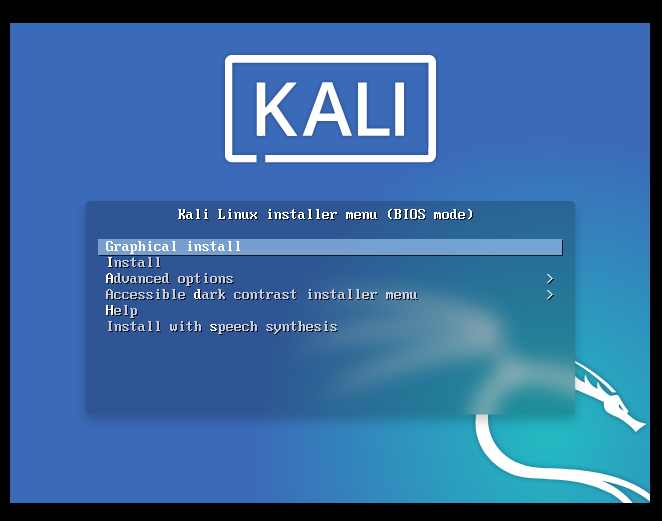
Installing Kali 2021.3

Hax fun with the Dragon distro

Ok today we are going to look at deploying Kali 2013.3. The install process for this is fairly standard and familiar from previous version but for those new to this world, it seems like a good place to start.

Install Procedure (Virtual Machine)

Boot from the ISO

Graphical user interface, application

Description automatically generated Read more “Installing Kali 2021.3”

Guides

What if not everyone is a cyber expert?

Developing a Cyber Roadmap

Ok so this topic comes up a fair bit, but organisations and their management are often looking to ensure they are doing the right thing (no really this is a common phrase I hear with organisations) with regard to cyber security. THe challenge I think quite a few people have is even understanding what that even means. Sure you have a firewall, and antivirus and you had a yearly peneration test of a site that isn’t even touching your corproate network. You thought you were fine, but you keep seeing organisations get ransomared in the news and the board keep asking “are we ok?” so this then leads to a common position of maybe buying more widgets or thinking, well we haven’t been “hacked” so we must be doing ok.

Read more “What if not everyone is a cyber expert?”
Defense

Vulnerability Management – Actually doing it!

Vulnerability Management, Assessments and Vulnerability scanning is sometimes treated a with distain in the Offensive security community, I personally don’t understand that. Vulnerability management is key to inputting into security strategy, architecture, and operations. It’s coupled heavily to many other processes such as:

  • Asset Management
  • Risk Management
  • Patch Management
  • Change & Release Management
  • Security Testing
  • Security Monitoring

Before we start deploying let’s think about some areas for consideration when performing vulnerability scans:

  • Scope
    • Asset/Hosts
      • IP Ranges
      • Hostnames
    • Connectivity
      • VPNs
      • LAN/WAN
    • Device Types and Configuration
      • Domain
      • Workgroup
      • Appliance
      • ICS
      • Printers
      • Network Equipment
    • Unauthenticated View
    • Authenticated View
      • Auth Types
      • Protocols
    • Scheduling
    • Authority to execute
  • Impact
    • Performance
    • Availability
    • Confidentiality
  • Objectives and Outcomes
  • Reporting
    • Information Flow
    • Report Storage and Confidentiality

Read more “Vulnerability Management – Actually doing it!”

CTF

How to Identify Hashes

Some hashes are obvious but even then, it’s a good job to check. There are a few ways to check a hash outside of manual validation.

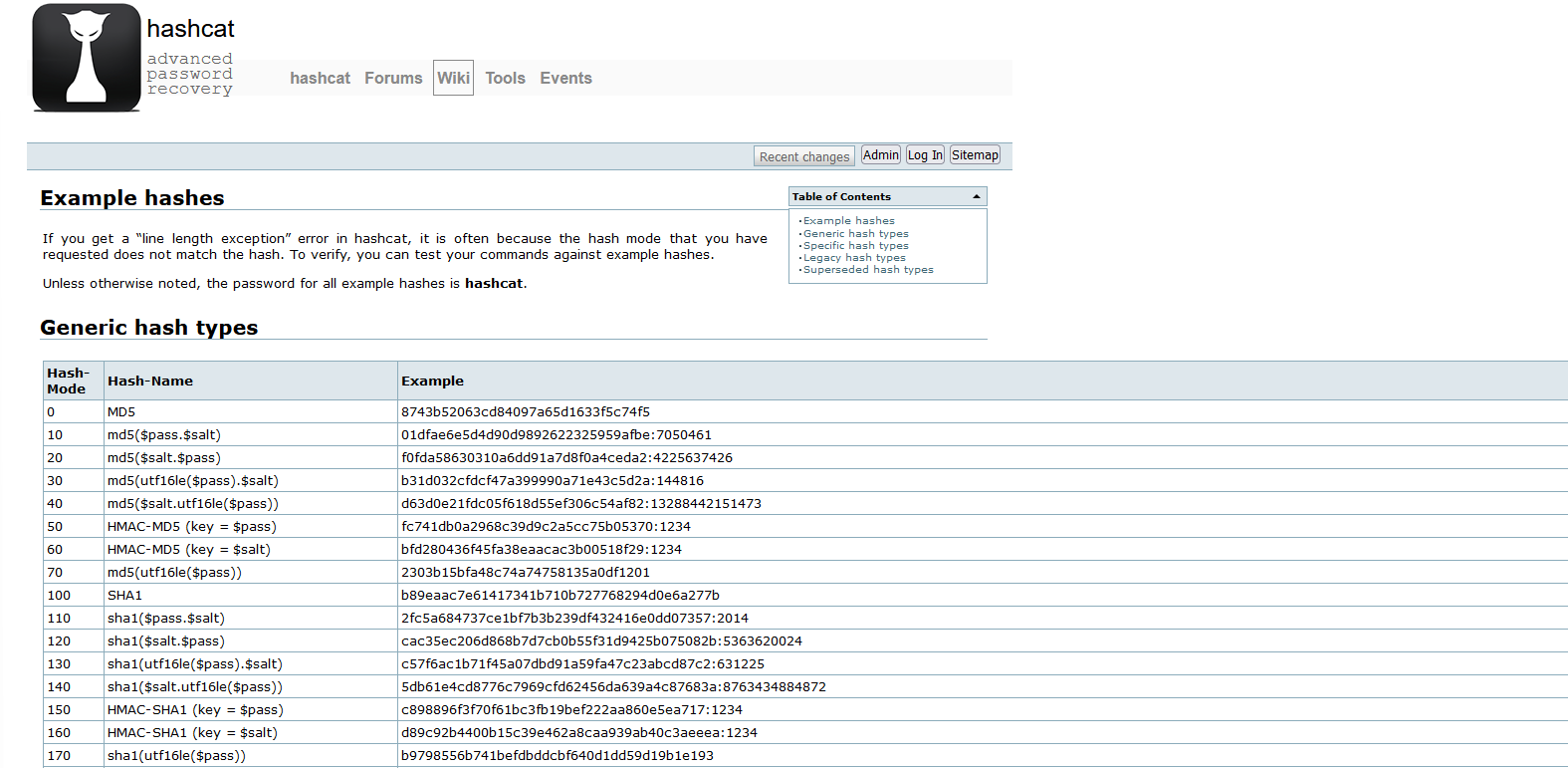
Using the Hashcat example list:

https://hashcat.net/wiki/doku.php?id=example_hashes

Graphical user interface, text, application, email

Description automatically generated

Using hash-identifier:

https://github.com/blackploit/hash-identifier

Using cyberchef Analyse hash:

https://gchq.github.io/CyberChef/#recipe=Analyse_hash()

Background pattern

Description automatically generated with low confidence

Using hash-id:

https://github.com/psypanda/hashID

Using HashTag:

https://github.com/SmeegeSec/HashTag

As you can see there are range of tools available to you, and remember if you want to keep the hashes to yourself you can download Cyberchef and run it locally!